La composizione come chiave della traduzione visiva
Quando fotografo un’architettura, non mi limito a riprodurre forme e materiali: traduco in immagini una sensazione, un ritmo, un modo di vivere lo spazio. La composizione è la chiave di questa traduzione visiva. In ogni progetto cerco la linea guida che racconta meglio l’edificio, che ne fa emergere il carattere e che accompagna lo sguardo di chi osserva.
Comprendere le regole di base
Le regole della composizione fotografica sono un punto di partenza fondamentale per dare ordine e significato a un’immagine architettonica. Non si tratta di rigidi schemi da seguire pedissequamente, ma di strumenti che aiutano a riconoscere e valorizzare l’armonia dello spazio.
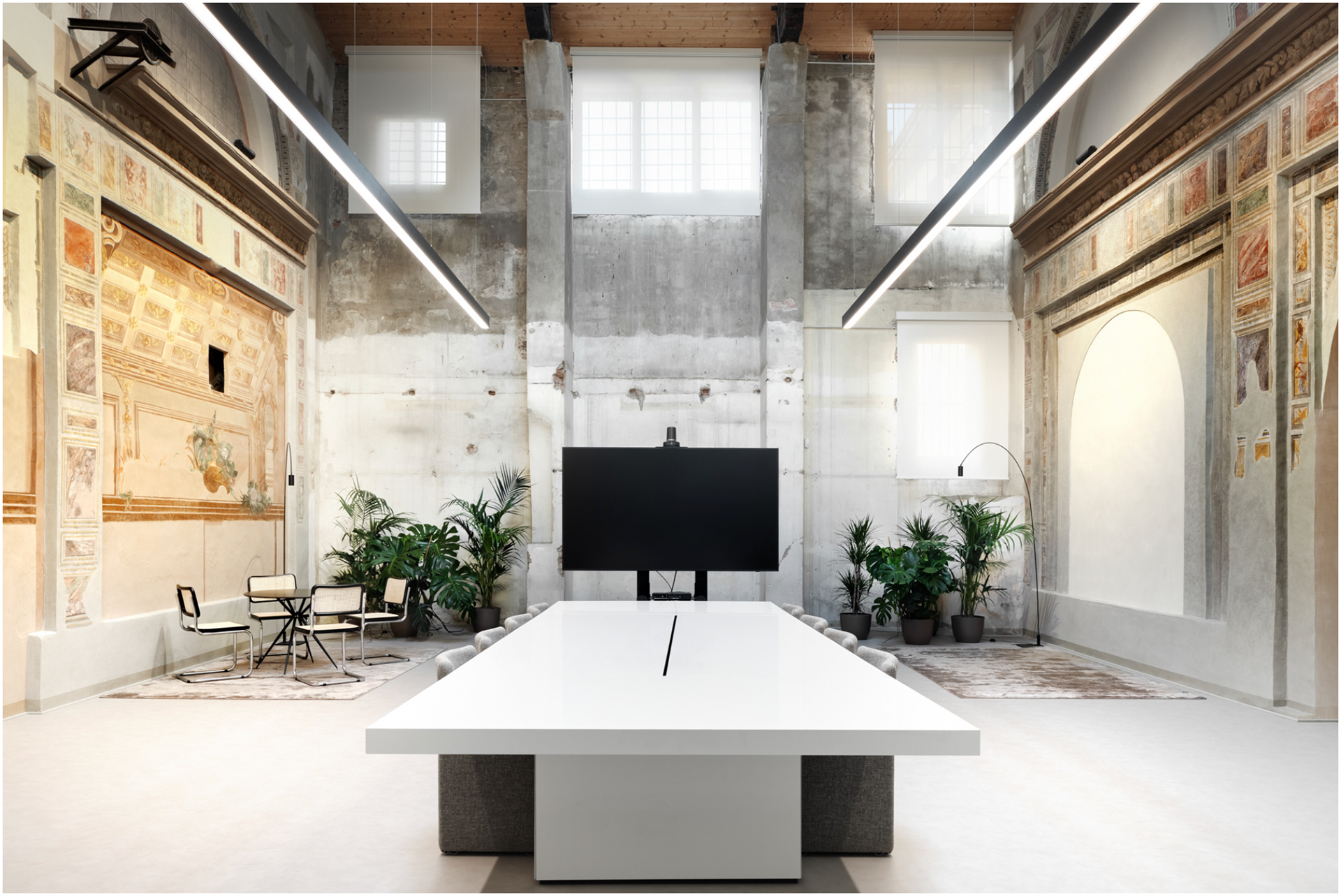
Ad esempio, la regola dei terzi permette di evitare inquadrature piatte e statiche, distribuendo i soggetti in modo più naturale all’interno del frame. Allo stesso tempo, la simmetria può trasmettere un senso di stabilità e monumentalità, mentre un uso sapiente dell’asimmetria dona dinamismo e interesse visivo.
È importante anche saper individuare le linee guida e i punti di fuga, che nella fotografia architettonica assumono un ruolo centrale per trasmettere profondità e direzione. Questi elementi diventano un filo conduttore che accompagna lo sguardo dell’osservatore all’interno della scena, suggerendo percorsi e mettendo in evidenza i dettagli più significativi.
LA REGOLA DEI TERZI
Suddividere l’inquadratura in tre parti orizzontali e verticali è un modo semplice per creare armonia. In architettura, posizionare elementi chiave lungo queste linee o nei punti di intersezione permette di dare respiro alla scena e valorizzare il soggetto. La regola dei terzi è una base fondamentale, ma ogni scatto può richiedere un’interpretazione diversa.
SFRUTTARE LUCE E OMBRE PER GUIDARE LO SGUARDO
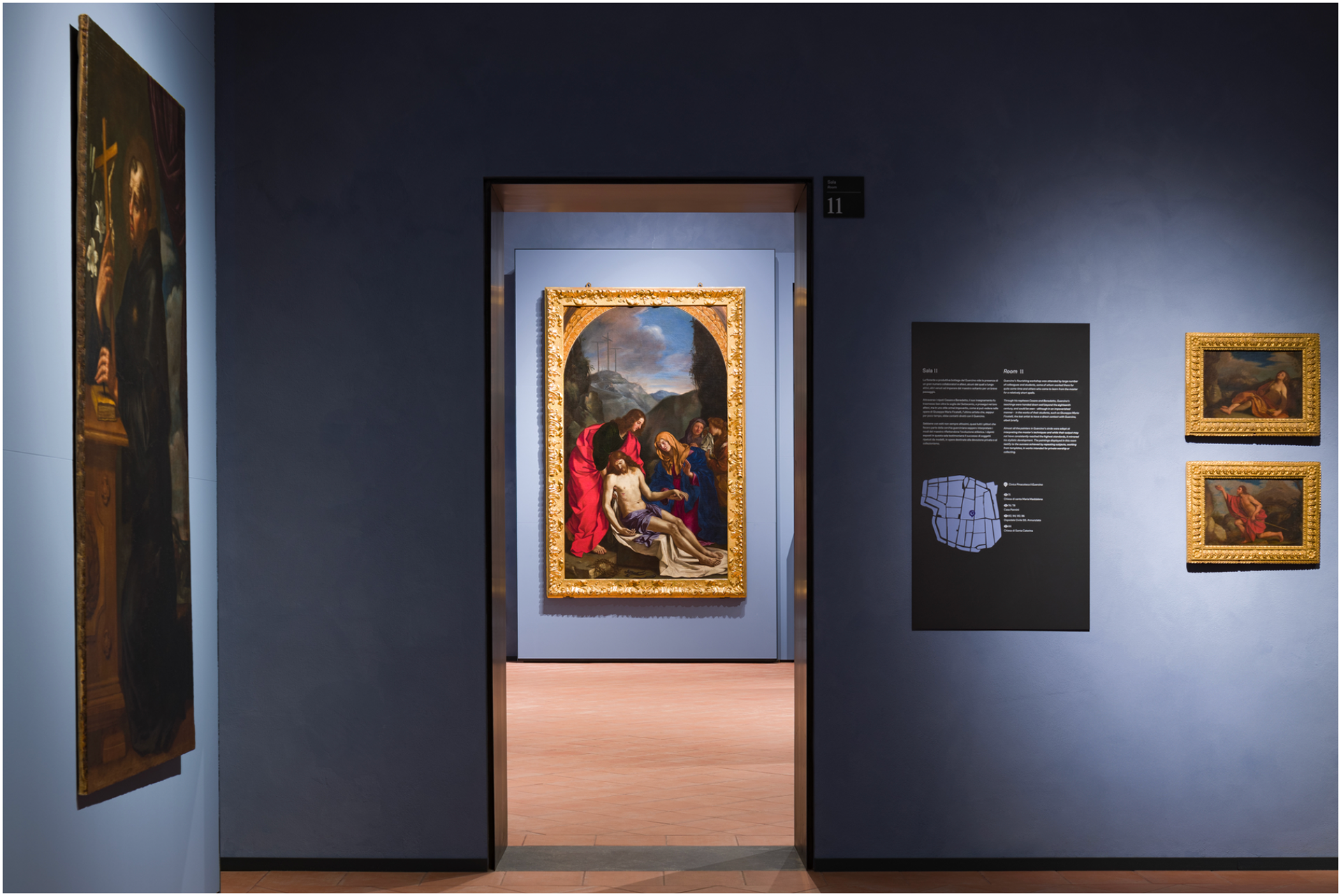
La luce è il vero protagonista nella fotografia architettonica. Cambia completamente la percezione dello spazio, trasformando volumi, texture e colori. Per me, la luce è un pennello che definisce la narrazione dell’immagine, costruendo atmosfere ed emozioni.
Un contrasto ben calibrato tra zone illuminate e aree d’ombra crea punti di interesse chiari e aiuta a modulare la profondità. Inoltre, sfruttare la luce in controluce o i riflessi può dare origine a effetti grafici sorprendenti che esaltano forme e materiali.
Capire come la luce si muove durante la giornata, adattarsi alle condizioni atmosferiche e prevedere le ore migliori per uno scatto sono aspetti cruciali per ottenere risultati di qualità. La luce può valorizzare una facciata monumentale così come far emergere la trama di un dettaglio costruttivo.
Contrasti e aree di interesse
Un fascio di luce che colpisce una superficie crea un punto focale immediato. Giocare con i contrasti tra aree illuminate e zone in ombra aiuta a dare struttura e profondità alla composizione. La luce in controluce, per esempio, può trasformare un dettaglio architettonico in una silhouette grafica, dando nuovo significato all’immagine.
Elementi narrativi nella fotografia
La fotografia architettonica, oltre a rappresentare fedelmente l’opera, deve raccontarne l’essenza, la storia e le emozioni che suscita. Per farlo, uso elementi narrativi come la profondità e la selezione del fuoco per guidare lo spettatore in un’esperienza visiva più coinvolgente.
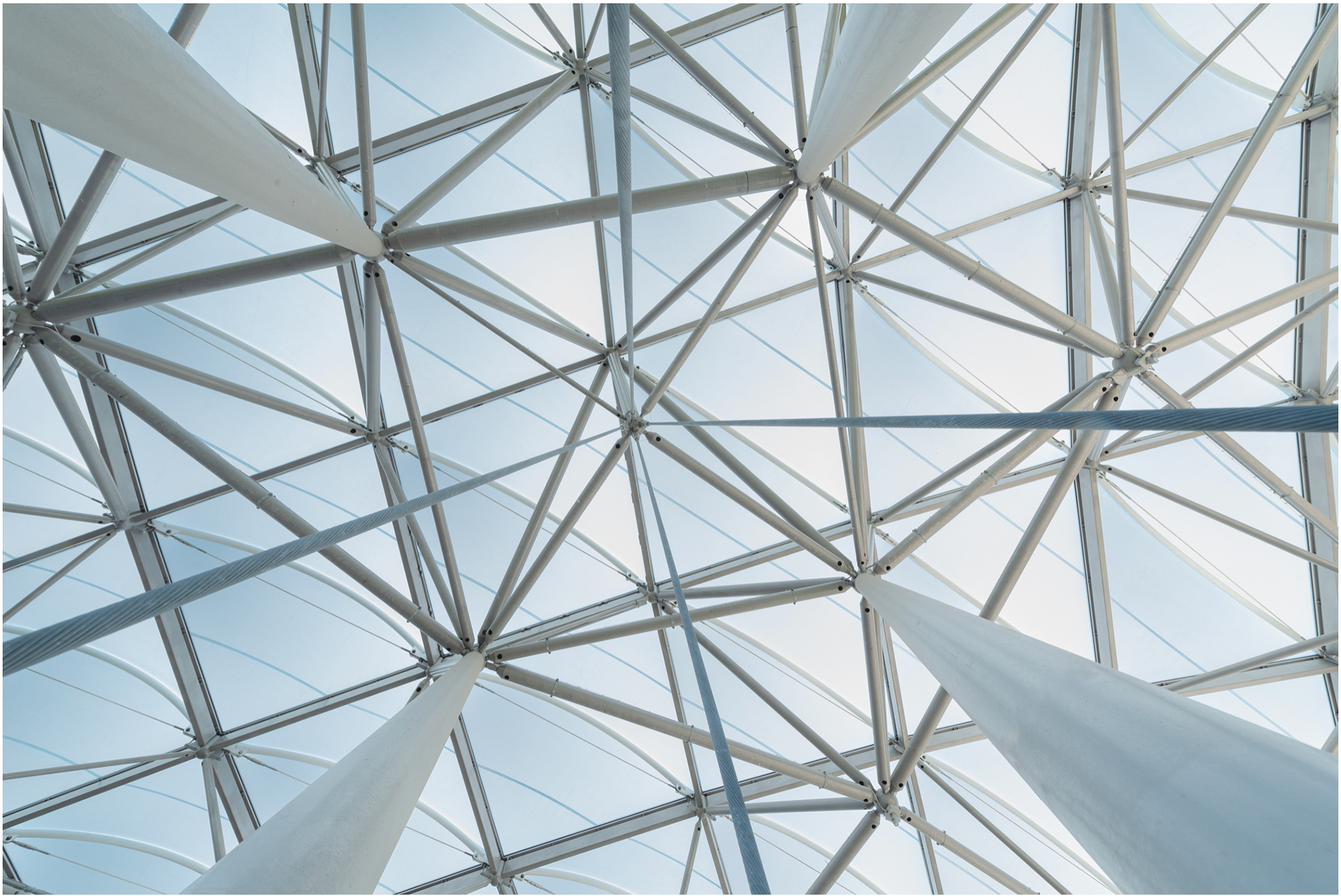
Creare profondità significa disporre nella scena più piani visivi, in modo che l’occhio possa percorrerli uno dopo l’altro. Questo è possibile anche grazie all’uso dello sfocato selettivo, che evidenzia un particolare mantenendo il contesto sullo sfondo.
Questa strategia aiuta a valorizzare materiali, dettagli costruttivi o particolari architettonici senza perdere la percezione complessiva dello spazio. In questo modo, la foto diventa una narrazione visiva più ricca, capace di stimolare l’osservatore a scoprire e approfondire.
Creare profondità con i piani
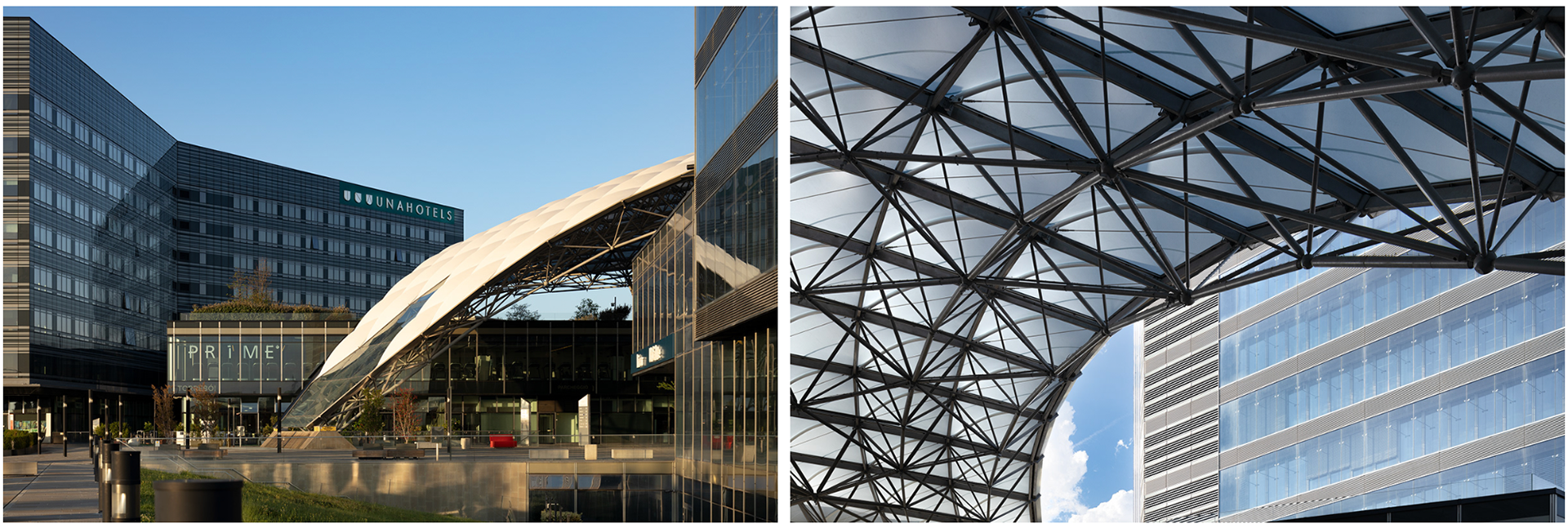
Sovrapporre elementi in primo, secondo e terzo piano dà tridimensionalità all’immagine e invita lo spettatore a esplorare ogni livello della scena. L’uso creativo dello sfocato permette di isolare un dettaglio o un materiale, trasformandolo nel protagonista pur mantenendo il contesto.
Dalla teoria alla pratica
La teoria è importante, ma la fotografia si impara soprattutto praticando. Allenare l’occhio è un lavoro continuo, fatto di sperimentazioni e osservazioni attente.
Consiglio sempre di provare più inquadrature dello stesso soggetto, variando altezza, angolazione e punti di messa a fuoco. Solo così si impara a percepire come cambiano le sensazioni e a scoprire il modo migliore per raccontare uno spazio.
Non meno importante è riconoscere e correggere gli errori più comuni: inquadrare troppo in fretta, non considerare il contesto, sovraccaricare la scena o dimenticare il valore emozionale dell’immagine.
Solo con costanza e cura è possibile trasformare una fotografia architettonica in un racconto visivo efficace e coinvolgente.
Esercizi per allenare l’occhio
Mi piace sperimentare con inquadrature diverse dello stesso soggetto, cambiando altezza, angolazione o punto di messa a fuoco per capire come varia la percezione dello spazio. Evito errori comuni come trascurare il contesto, affollare troppo l’inquadratura o sacrificare l’emozione in nome della tecnica.
Per collaborazioni, progetti fotografici o semplicemente per confrontarci sul linguaggio delle immagini, contattami via email o telefono, 📧 info@vincenzoruocco.it - 📞 +39 329 56 49 783
-
🇬🇧 English version
COMPOSITION AS THE KEY TO VISUAL TRANSLATION
When I photograph architecture, I don’t simply capture shapes and materials — I translate a feeling, a rhythm, a way of experiencing space into images.
Composition is the key to this act of visual translation.
In every project, I look for the guiding line that best tells the story of the building — the one that reveals its character and leads the viewer’s gaze through it.
Composition is the key to this act of visual translation.
In every project, I look for the guiding line that best tells the story of the building — the one that reveals its character and leads the viewer’s gaze through it.
UNDERSTANDING THE FUNDAMENTALS
The rules of photographic composition are an essential starting point for bringing order and meaning to an architectural image. They are not rigid formulas to be followed mechanically, but tools that help recognize and enhance the harmony of space.
For example, the rule of thirds helps avoid flat and static frames by distributing subjects more naturally within the image. At the same time, symmetry can convey a sense of stability and monumentality, while a thoughtful use of asymmetry brings dynamism and visual interest.
It’s also crucial to identify leading lines and vanishing points, which play a central role in architectural photography by creating depth and direction. These elements act as a visual thread that guides the viewer’s eye through the scene, suggesting movement and highlighting the most meaningful details.
For example, the rule of thirds helps avoid flat and static frames by distributing subjects more naturally within the image. At the same time, symmetry can convey a sense of stability and monumentality, while a thoughtful use of asymmetry brings dynamism and visual interest.
It’s also crucial to identify leading lines and vanishing points, which play a central role in architectural photography by creating depth and direction. These elements act as a visual thread that guides the viewer’s eye through the scene, suggesting movement and highlighting the most meaningful details.
THE RULE OF THIRDS
Dividing the frame into three horizontal and three vertical sections is a simple way to create visual harmony. In architectural photography, placing key elements along these lines or at their intersections gives the scene balance and allows the subject to breathe. The rule of thirds is a fundamental guideline — but every shot may call for its own interpretation.
USING LIGHT AND SHADOW TO GUIDE THE EYE
Light is the true protagonist in architectural photography. It completely changes the perception of space, transforming volumes, textures, and colors. For me, light is a brush that shapes the narrative of an image, building atmosphere and emotion.
A well-balanced contrast between illuminated areas and shadows creates clear focal points and helps define depth. Using backlighting or reflections can also produce striking graphic effects that emphasize form and material.
Understanding how light moves throughout the day, adapting to weather conditions, and anticipating the best hours for shooting are all crucial to achieving quality results. Light can enhance a monumental façade just as effectively as it can reveal the texture of a small construction detail.
Light is the true protagonist in architectural photography. It completely changes the perception of space, transforming volumes, textures, and colors. For me, light is a brush that shapes the narrative of an image, building atmosphere and emotion.
A well-balanced contrast between illuminated areas and shadows creates clear focal points and helps define depth. Using backlighting or reflections can also produce striking graphic effects that emphasize form and material.
Understanding how light moves throughout the day, adapting to weather conditions, and anticipating the best hours for shooting are all crucial to achieving quality results. Light can enhance a monumental façade just as effectively as it can reveal the texture of a small construction detail.
CONTRASTS AND FOCAL AREAS
A beam of light striking a surface instantly creates a focal point. Playing with the contrast between bright and shaded areas adds structure and depth to a composition. Backlighting, for instance, can turn an architectural detail into a graphic silhouette, giving the image a new layer of meaning.
NARRATIVE ELEMENTS IN ARCHITECTURAL PHOTOGRAPHY
Architectural photography, beyond faithfully representing a building, should convey its essence, its story, and the emotions it evokes. To achieve this, I use narrative elements such as depth and selective focus to guide the viewer through a more immersive visual experience.
Creating depth means arranging multiple visual planes within the scene, allowing the eye to move through them one by one. This can also be achieved through selective blur, which highlights a specific element while keeping the context in the background.
This approach helps emphasize materials, construction details, or architectural features without losing the overall perception of space. The image thus becomes a richer visual narrative — one that invites the viewer to observe, explore, and connect more deeply.
Architectural photography, beyond faithfully representing a building, should convey its essence, its story, and the emotions it evokes. To achieve this, I use narrative elements such as depth and selective focus to guide the viewer through a more immersive visual experience.
Creating depth means arranging multiple visual planes within the scene, allowing the eye to move through them one by one. This can also be achieved through selective blur, which highlights a specific element while keeping the context in the background.
This approach helps emphasize materials, construction details, or architectural features without losing the overall perception of space. The image thus becomes a richer visual narrative — one that invites the viewer to observe, explore, and connect more deeply.
CREATING DEPTH THROUGH LAYERS
Overlapping elements in the foreground, middle ground, and background adds three-dimensionality to the image and invites the viewer to explore each level of the scene. The creative use of blur allows a detail or material to become the main subject while still preserving the spatial context.
FROM THEORY TO PRACTICE
Theory is important, but photography is learned above all through practice. Training the eye is an ongoing process — built on experimentation and careful observation.
I always recommend trying multiple compositions of the same subject, changing height, angle, and focus points. Only by doing so can you begin to perceive how sensations shift and discover the most effective way to tell the story of a space.
It’s equally important to recognize and correct the most common mistakes: shooting too quickly, ignoring the context, overcrowding the frame, or forgetting the emotional value of the image.
With consistency and attention, an architectural photograph can become a compelling visual story — one that captures both structure and feeling.
I always recommend trying multiple compositions of the same subject, changing height, angle, and focus points. Only by doing so can you begin to perceive how sensations shift and discover the most effective way to tell the story of a space.
It’s equally important to recognize and correct the most common mistakes: shooting too quickly, ignoring the context, overcrowding the frame, or forgetting the emotional value of the image.
With consistency and attention, an architectural photograph can become a compelling visual story — one that captures both structure and feeling.
EXERCISES TO TRAIN THE EYE
I like to experiment with different framings of the same subject, adjusting height, angle, or focus point to understand how the perception of space changes. I try to avoid common mistakes such as neglecting the context, cluttering the composition, or sacrificing emotion in the name of technique.
📩 For project inquiries, collaborations, or a conversation about the visual language of architecture, feel free to get in touch:
info@vincenzoruocco.it – 📞 +39 329 56 49 783
info@vincenzoruocco.it – 📞 +39 329 56 49 783
ARTICOLI CORRELATI
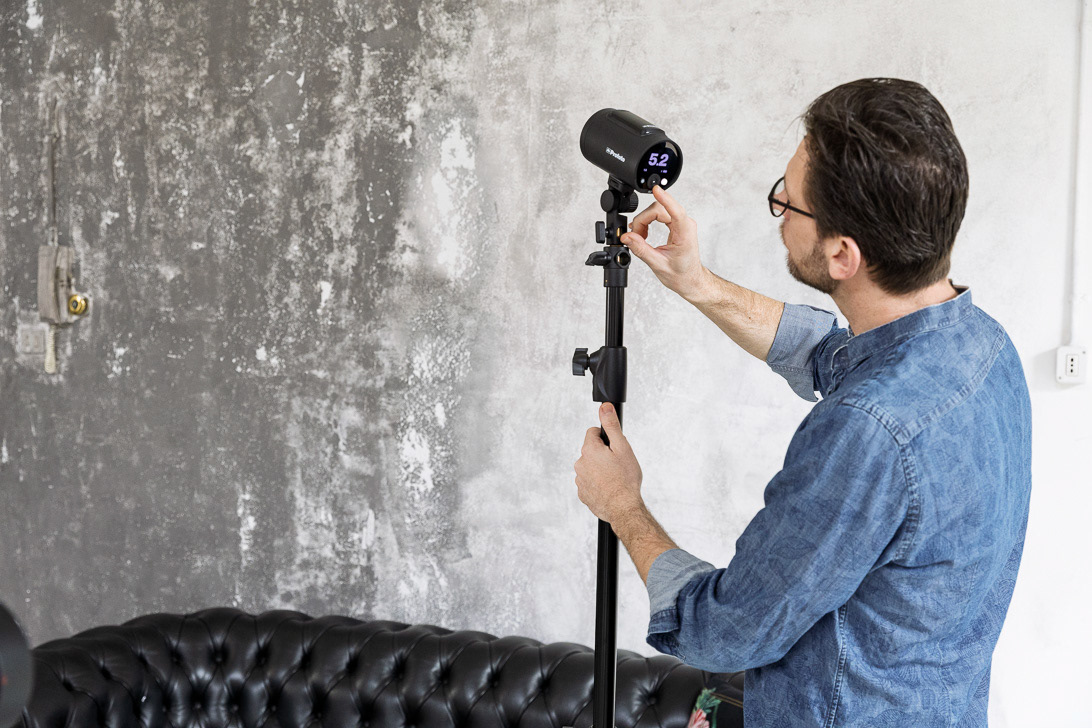
Analizziamo le caratteristiche del flash portatile Profoto A2 per migliorare i tuoi scatti indoor e in esterna.
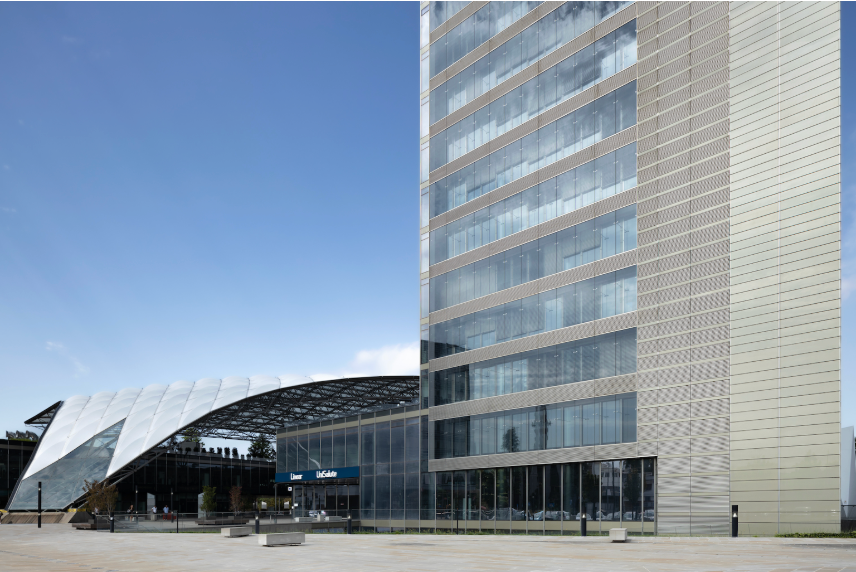
Scatti di alta qualità in architettura e interni: l'approccio di Vincenzo Ruocco
Come ottenere l'impostazione giusta in fotografia d'architettura e interni? Il metodo per interpretare la luce, gli spazi e i volumi attraverso scelte consapevoli.
Vincenzo Ruocco
Appassionato di architettura, in particolare Art Déco e Classica, mi sono laureato in Storia Contemporanea presentando una tesi sullo sviluppo di Manhattan.
Mi sono formato attraverso un Master in fotografia di architettura e interni e continuato a studiare seguendo corsi professionali.
Mi sono formato attraverso un Master in fotografia di architettura e interni e continuato a studiare seguendo corsi professionali.